
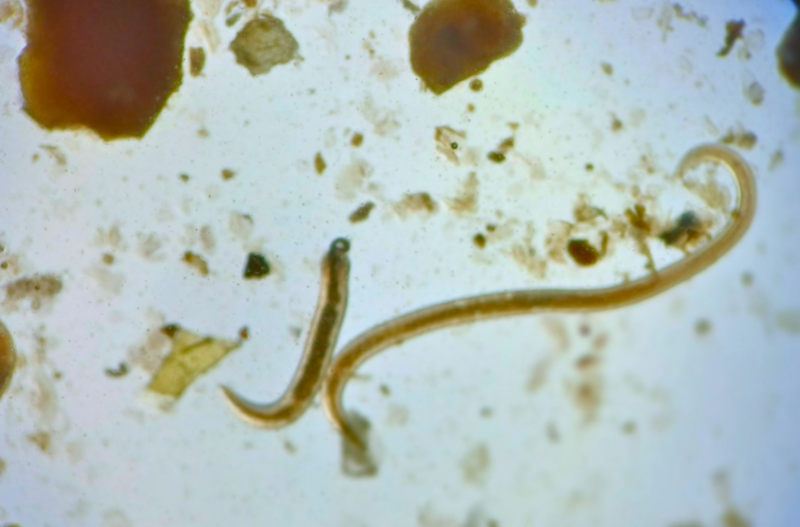
Overview of worm infestations in chickens: integrated control, preventive strategies, and novel diagnostic tools
- Author(s):
Hilde Van Meirhaeghe1,2, Swati Karki1,3, Giuditta Tilli1, Maarten De Gussem1,2
1 Vetworks bvba, Knokstraat 38, Poeke B-9880, Belgium (hilde.vanmeirhaeghe@vetworks.eu; giuditta.tilli@vetworks.eu; maarten.degussem@vetworks.eu)
2 Faculty of Veterinary Medicine, University of Ghent, Salisburylaan 133, 9820 Merelbeke, Belgium
3 Poulpharm bvba, Prins Albertlaan 112, 8870 Izegem, Belgium - Published in: Zootecnica Poultry Magazine
- Year of publication: 2026
The transition toward alternative and free-range housing systems has led to a renewed increase in helminth infection pressure in poultry production. Intestinal worms not only cause direct gastrointestinal damage but also impair immune competence and productivity, emphasizing the need for accurate diagnosis, monitoring, and flock-specific control strategies. Integrated prevention, evidence-based deworming programs, and continued research into novel diagnostic and control approaches are essential for sustainable helminth management in modern poultry systems.